EN
EN  ID
ID  AR
AR  ZH
ZH 
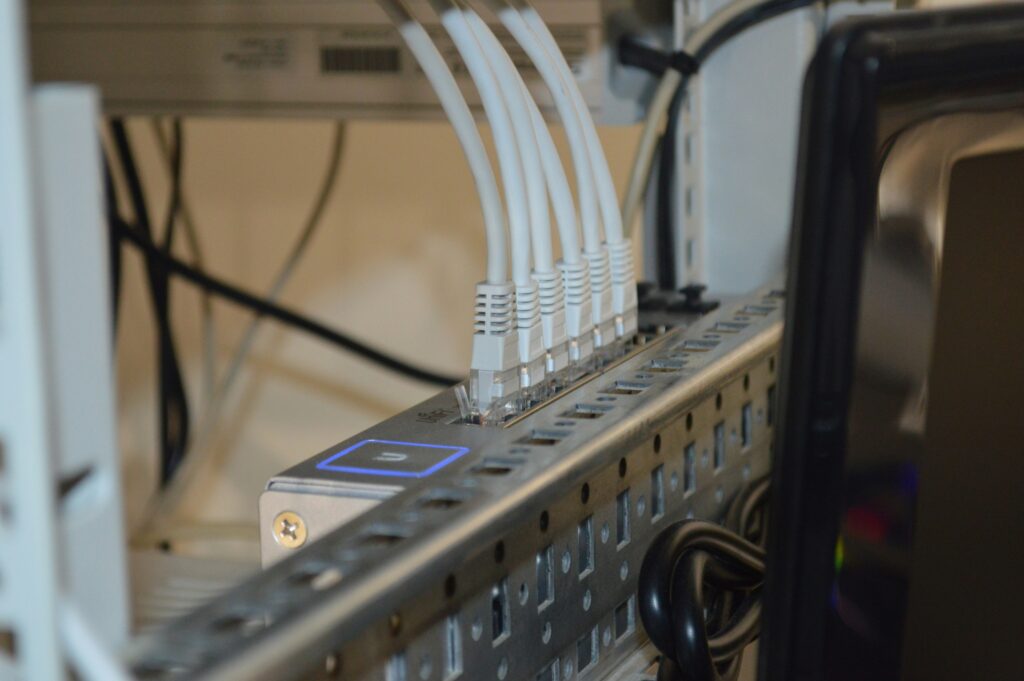
Malang – Internet access at Campus 1 of UIN Maulana Malik Ibrahim Malang is now smoother and more stable thanks to the completed first phase of the WiFi network revitalization program. This program ran from July to November 2023 and targeted key locations such as lecture halls, Building A, Building B, and the Ma'had Putri Campus 1.
This program is part of an effort to improve the quality of information technology services on campus, particularly in supporting academic activities and digitizing the learning process. In this first phase, 200 legacy Access Point (AP) units purchased in 2016 (branded UniFi) have been replaced with new enterprise-grade Ruckus R350 devices.
This new device not only offers higher technical specifications but is also designed to handle the heavy traffic loads in a college environment. The Ruckus R350 is known for its superior features such as BeamFlex+ technology, which allows the signal to follow the user's movement, as well as more efficient client management capabilities on the 2.4GHz and 5GHz frequencies automatically (band steering). With this technology, the WiFi connection becomes more stable, faster, and more evenly distributed.
The results are significant. Before the revitalization, a single classroom could only serve about 20 devices simultaneously. Now, after the replacement, capacity has increased to over 60 devices per classroom without experiencing significant connection disruptions. Furthermore, bandwidth usage during class hours has jumped from an average of 600 Mbps to 1,300 Mbps. This figure reflects a drastic improvement in the efficiency and capacity of the campus' wireless network services.
“"This change is truly noticeable. Students no longer complain about having difficulty accessing e-learning during lectures," said one of the lecturers teaching online courses. He noted that previously, there were frequent delays or disconnections during lectures, especially when more than half the students were trying to connect simultaneously.
However, this revitalization only covers a portion of the campus. Further steps are needed to upgrade equipment in office areas and other lecture buildings still using outdated hardware. Most of this equipment is not only more than five years old, but also has specifications that no longer meet today's digital needs.
Besides age, the diversity of device types within a single building also poses challenges. When devices with different performance and management systems are used simultaneously, network synchronization becomes suboptimal. This impacts signal quality, connection stability, and overall data access speed.
Technically, devices with the latest technology are capable of managing network traffic (traffic shaping) and detecting surrounding signal density to avoid interference. In contrast, legacy devices generally rely solely on basic configurations without dynamic adaptation capabilities, making them unable to compete in increasingly user- and data-dense campus ecosystems.
This WiFi network revitalization is a crucial step in building a campus ready to face the challenges of the digital age. With more and more academic activities relying on internet connectivity—from online lectures and access to scientific journals to cloud-based administration systems—reliable network infrastructure is a primary requirement, no longer just an add-on.
The campus, through PTIPD, emphasized its commitment to continue strengthening digital infrastructure to support the teaching and learning process and support the vision of UIN Maulana Malik Ibrahim Malang as a superior campus based on the integration of science and technology.